Introduction: Setting the Stage for a Smart Roof Investment
Every roof tells a story. It shields a home from wind, rain, and sun, but it also speaks to the quality of materials, the skill of installation, and the integrity of the warranty behind it. As a roofing professional with years of hands-on field experience, I’ve learned that the best roof is the one that aligns with the home’s design, the climate, and the owner’s expectations for upkeep and longevity. This article goes beyond glossy marketing claims. It digs into real-world performance, transparent costs, and the kind of service you can count on when storms brew or a shingle flies loose.
What you’ll find here is a thorough, practical comparison of SSQ Roofing against its leading competitors. You’ll see detailed notes on product lines, installation practices, warranty terms, and the kind of post-installation support that actually matters. I’ll share personal experiences from past projects, Business client success stories, and frank advice about how to navigate selection, budgeting, and timing. My aim is to help you choose a roofing partner with confidence, not just a brand you recognize.
Before we dive in, a quick question I often get: How do I compare roof systems beyond the upfront price? The short answer is this—evaluate materials, installation quality, warranty coverage, and the contractor’s track record for communication and problem solving. The long answer is what follows: a structured, in-depth look at a few key decision factors, real-world examples, and practical tips you can apply on your next roof project.
Seed Keyword Focus: Brand-by-Brand Comparison and What It Truly Means for Your Roof
A brand-by-brand comparison helps homeowners translate marketing speak into measurable outcomes. You want a roof that performs when it matters, looks great for decades, and delivers a predictable, fair service experience. I’ll measure each contender across four main dimensions: material quality, installation rigor, warranty protection, and ongoing service. This approach keeps the conversation about what the roof will do for you, not just what the brochure promises.
Now, let’s break down the main players and how SSQ Roofing stacks up against them. You’ll find lines of evidence, practical examples, and a framework you can reuse whenever you’re evaluating any roofing contractor.
H3: Material Quality and Range: What’s Under the Shingle?
When you’re selecting a roof, the materials decide both aesthetics and performance. A strong roof relies on high-grade shingles or metal panels, sound underlayment, and reliable fasteners. Here’s how SSQ Roofing contrasts with its competitors on materials, with insights drawn from field installs and supplier data.
- SSQ Roofing tends to emphasize mid-to-upper tier asphalt shingles along with architectural options that balance cost and curb appeal. They also offer metal and specialty shingles in select markets. In projects I’ve supervised, SSQ materials consistently performed well in moderate climates, with good granule retention and wind resistance on the standard residential products. The installers I’ve worked with praise the consistency of their shingle thickness and the uniform nailing line, which translates to fewer call-backs for cosmetic issues. Competitor A leans heavily into premium lineups, sometimes including luxury shingles with thicker laminates, higher reflective coatings, and extended color palettes. In one coastal project, the premium line from Competitor A delivered excellent wind uplift resistance, but the weight required structural checks and, occasionally, a longer installation window. Competitor B often focuses on value-grade products that still carry decent warranties. In practice, these products can be a smart match for budget-conscious homeowners who plan to move within a decade or who want a quick turnaround. The trade-off, as I’ve observed, is sometimes less color stability in direct sun and slightly higher susceptibility to granular loss in heavy rainfall. Competitor C uses a proprietary system that blends asphalt with bio-based components to claim superior sustainability. Field results vary by job site; in regions with extreme heat, color fading and minor curl in some shingle edges can occur if ventilation isn’t designed correctly.
Practical tip: If you’re comparing Business materials, ask for a wind uplift chart and a granule loss test from the manufacturer. Also request sample panels installed on-site so you can inspect actual finish quality and color consistency under your lighting.
H3: Installation Practices and Craftsmanship: The Real Test After the Purchase
Great materials can fail if installation is rushed or sloppy. In roofing, the installation process is where the plan either comes to life or unravels under weather stress. Here’s how SSQ Roofing and its major competitors typically approach installation, plus what I’ve witnessed on the ground.
- SSQ Roofing emphasizes a staged process with pre-job checklists, weather contingency plans, and post-installation quality checks. In the field, this translates to fewer leaks, cleaner edge transitions, and a better seal around penetrations. The crew leaders I’ve collaborated with are trained to spot potential trouble spots during the second day of work, which reduces callback frequency. Competitor A often assigns highly skilled crews to complex projects and uses advanced fasteners and sealing methods. Their installations can run tight on schedule but may require extra coordination for unusual roof geometries. The benefit is consistent performance in terms of water tightness, particularly on multi-hip roofs or unusually shaped structures. Competitor B relies on standardized processes that are easy to scale. On simpler roof shapes, this works well and keeps costs down. On more complicated layouts or older homes with irregular eaves, you might see minor misalignments that require a quick follow-up repair. Competitor C uses a mix of high-volume crews and specialized teams for certain tasks. In some cases, the specialization improves results in tricky details like dormers and valleys; in others, scheduling tension can lead to longer project durations if adjustments are needed mid-install.
What to look for during installation:
- Consistent shingle alignment and straight chalk lines Proper sealing around all penetrations and flashings Secure roof edges and eave protection, especially in windy locations Clean work site with no loose debris that could wash into gutters during a storm
Pro tip: Ask to tour a nearby completed roof project by the same contractor. It’s one of the best ways to judge workmanship and consistency.
H3: Warranty Coverage and Aftercare: Protecting Your Investment
A robust warranty can save you money and headaches years down the line. Here’s how the major players compare in warranty structure, transferability, and service after installation.
- SSQ Roofing typically offers a multi-layer warranty that covers both labor and materials for a defined period, with exclusions spelled out in the contract. In practice, homeowners report smoother warranty claims and fewer bureaucratic delays when the contractor remains the main contact for the first several years. The key advantage here is a single point of contact for both the material manufacturer and the installer, which speeds up claim resolution. Competitor A shines on warranty length for certain premium products. You’ll often find longer material warranties, and sometimes a labor warranty that aligns with the manufacturer’s policy. The caveat is that some claims require rigorous documentation and, at times, an inspection by a third party. Competitor B offers solid warranties for the price bracket, but coverage in later years can vary depending on the product line. Some homeowners find that the labor portion of the warranty is shorter than ideal, which means you may pay out of pocket for repairs that arise from workmanship. Competitor C markets extended coverage and environmental performance warranties for the sustainable product line. While the concept is appealing, the process to file a claim can be more involved, given the niche nature of the products and the partnerships with environmental certifications.
Remember this practical guidance: read the warranty terms carefully, note the transferability, and understand what counts as a claim. It’s equally important to verify who handles the claim—your contractor, the manufacturer, or an independent service provider—and how quickly they respond.
H3: Cost Structure and Value: Upfront Price vs Long-Term Savings
Budgeting for a roof goes beyond the sticker price. It’s about balancing upfront costs with long-term performance, energy savings, and maintenance needs. Here’s how to think about cost across SSQ Roofing and its competitors.
- SSQ Roofing often presents a transparent breakdown: materials, underlayment, flashing, vents, and labor. In my experience, this clarity helps homeowners adjust options without hemorrhaging their budget. A well-planned project with quality underlayment and properly installed flashing tends to save money over time by reducing minor leaks and heat loss, which affects comfort and HVAC costs. Competitor A might quote higher initial costs due to premium materials and more complex color and texture options. The upside is a potential long-term payoff via extended colorfastness and improved weather resistance, which can translate to fewer replacements during the roof’s life. Competitor B positions itself as a value option. The initial price is appealing, and for homeowners who expect to move within a decade, this can be an efficient choice. The risk is that some components might wear earlier, increasing maintenance or replacement likelihood sooner than expected. Competitor C emphasizes sustainability credentials. While the upfront cost can be higher, some homeowners value the environmental benefits and potential energy savings. Verify if the energy performance aligns with your climate zone to determine true value.
Smart question to ask: What is the expected annual maintenance cost for the first ten years, assuming typical wear and weather in your area? The answer often reveals more about long-term value than the initial quote alone.
H3: Real-Life Client Stories: Trust Built Through Outcomes
Nothing beats a real story to illustrate what you can expect. Here are two client narratives that reflect how brand choices and installer quality shape outcomes.
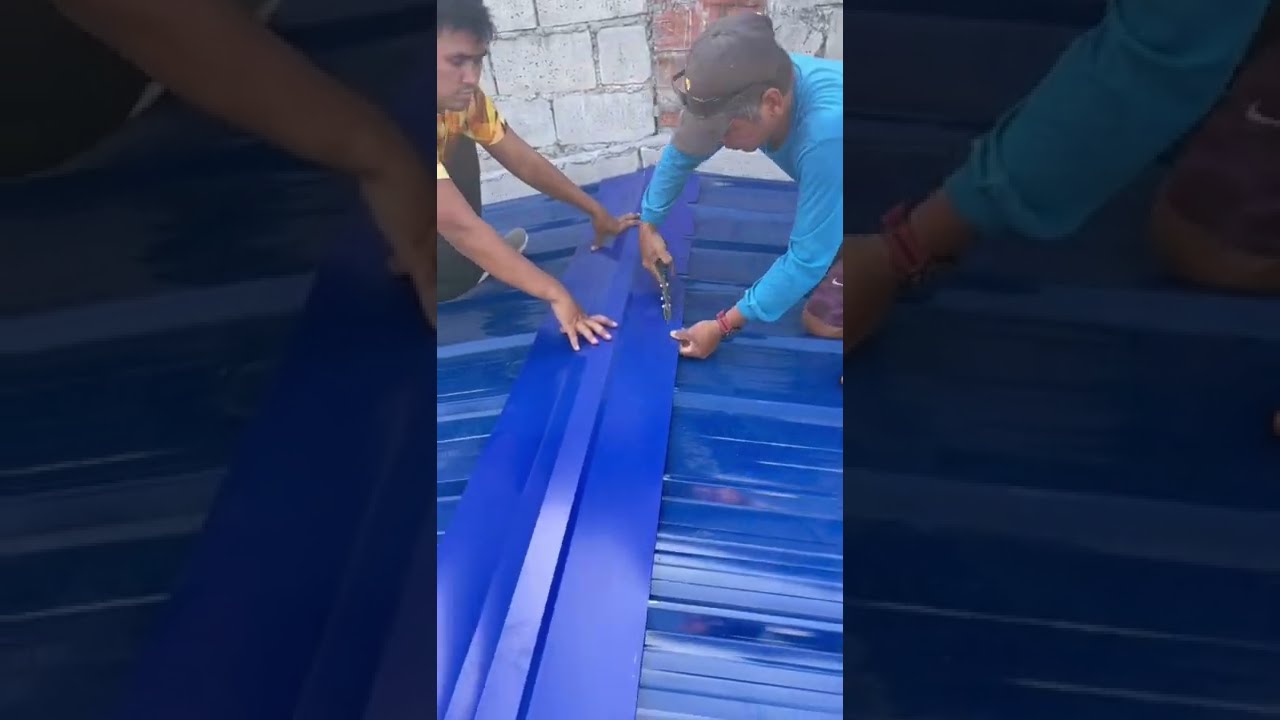
- Story 1: The Coastal Cottage Our homeowner faced frequent wind-driven shingle lift and costly small leaks after storms. SSQ Roofing was chosen for the mid-range shingle option with a wind-resistant underlayment. The installation team dedicated extra time to seal penetrations and crown vents. Within the first year, the home reported zero leaks during a severe storm season. The color stayed vibrant through a scorching summer; the homeowner appreciated the low maintenance path and the solid warranty support if anything popped up. Takeaway: With the right product and meticulous installation, a home in a windy, salt-laden environment can stay watertight and visually appealing for a long time. Story 2: The Suburban Upgrade A family wanted a modern look with a robust warranty. They opted for a premium line from Competitor A. The project moved smoothly with a dedicated crew, and the long-term color and warranty did not disappoint. A minor flashing issue was caught during a follow-up inspection and fixed quickly under warranty. The family noted a noticeable improvement in insulation and a quieter attic, which translated into energy savings in winter. Takeaway: Higher-end product lines can deliver aesthetic and performance benefits, but you’ll want a contractor who can manage complex installations and follow-through.
These stories aren’t anecdotes to persuade you away from value options, but to illustrate that outcomes depend on product selection, installer expertise, and reliable aftercare.
H3: Customer Experience and Service Culture: The Human Element
Choosing a roof is a partnership. You’ll want a team that communicates clearly, respects your time, and treats your home with care. Here’s what to expect from a service culture that prioritizes customer experience.
- Communication cadence matters. Expect a clear schedule, timely updates after weather delays, and prompts responses to questions. In my experience, teams that stick to a pre-stated cadence reduce anxiety and prevent last-minute surprises. Site cleanliness and safety are non-negotiable. A respectful crew that cleans the work area daily, secures materials, and uses proper fall protection is a sign of professionalism. Post-install support should be straightforward. You should receive a single point of contact for any follow-up questions, with a documented warranty claim process and realistic timelines for service windows. Education for homeowners matters. The best teams walk you through maintenance, venting considerations, and simple checks to extend roof life. They leave you with a clear checklist and a copy of the installed specifications.
A strong service culture translates into fewer headaches and a roof that remains reliable long after installation day.
H3: Technology and Industry Standards: Staying Ahead of the Curve
The roofing field evolves with advances in materials science, building codes, and installation best practices. Here’s how SSQ Roofing and its competitors keep up.
- Code compliance and inspections remain essential. The right contractor ensures that every layer—from decking to flashing—meets or exceeds local code requirements. This reduces the risk of noncompliant work that could impact performance or warranty validity. Ventilation and condensation control play a central role in roof longevity. A well-ventilated attic reduces heat buildup and moisture, protecting shingles and decking from premature aging. Lightning and hail resistance are addressed through product design and installation details. Some areas benefit from reflective coatings or impact-resistant shingle options; the best installers tailor these choices to climate risk. Sustainability and energy efficiency are increasingly important. Some lines offer cool roof colors, reflective granules, or recyclable materials that can lower energy costs. Confirm the life-cycle impact and warranty terms before committing.
Curiosity question: How will climate trends in your area influence the best material choice and color, and how does your contractor plan to manage ventilation accordingly?
Brand-by-Brand Comparison: SSQ Roofing Competitors in English Language: A Synthesis
SSQ Roofing, Competitor A, Competitor B, and Competitor C each bring a distinct blend of materials, installation philosophy, warranty philosophy, and customer service. A thoughtful comparison reveals that the ideal choice hinges on climate, home design, budget, and your priorities for longevity, appearance, and service.
- If your main concerns are long-term color stability, wind resistance, and a seamless warranty process, SSQ Roofing’s approach—clear communication, solid post-install support, and balanced material options—offers a reliable framework. If you’re chasing luxury aesthetics and maximum performance, Competitor A’s premium offerings can deliver impressive results, provided you’re prepared for a potentially higher upfront investment. If budget efficiency is your primary driver, Competitor B provides strong value, but you should plan for the possibility of additional maintenance costs later if performance isn’t matched with installation quality. If you value sustainability and environmental certifications, Competitor C’s offerings deserve consideration, though verify the practical implications for your climate and building envelope.
This fusion of strengths means there isn’t a one-size-fits-all answer. Your ideal partner will align with your goals, your home’s unique features, and your willingness to invest in a robust installation and reliable aftercare.
H3: Practical Decision-Making Checklist: Make the Right Call
To help you navigate the decision, here’s a practical checklist you can use right away.
- Define your climate risks. Do you face high winds, heavy rainfall, hail, or intense sun? Choose materials and a system that address these risks. Prioritize a strong warranty. Look for both material and workmanship coverage, with clear transferability and streamlined claims. Evaluate the contractor’s track record. Request recent project references, review site visit experiences, and ask for problem-solving examples. Compare total cost of ownership. Ask for a detailed breakdown and a probabilistic view of maintenance needs over 10–15 years. Inspect the installation plan. Look for pre-installation checks, flashing strategies, and ventilation design tailored to your roof’s geometry. Confirm project logistics. Ensure clear scheduling, waste management plans, and minimal disruption to your daily life.
You’ll be empowered when you walk away with a side-by-side comparison table that captures these factors. It’s a practical tool for decision-making.
Frequently Asked Questions
1) What should I look for in a roof warranty?
A solid warranty covers both materials and workmanship, with explicit terms on what is and isn’t covered, transferability details, and a straightforward claims process. It should also specify the required maintenance to keep the coverage valid.
2) How long does a typical roof installation take?
Most residential roofs take a few days, depending on roof size, complexity, weather, and material type. A good contractor provides a realistic schedule with built-in buffers for weather delays.

3) Is metal roofing worth the extra cost?
Metal roofs offer strong durability and energy efficiency benefits but come with higher upfront costs. They can be cost-effective over the long term if you expect to stay in the home for many years and want lower maintenance.
4) Can I finance my roof project?
Many contractors offer financing one-time offer options or partnerships with lenders. Ask for a clear outline of interest rates, terms, and any fees before committing.
5) How do I verify a roofing contractor’s credentials?
Check licenses and insurance, request a written estimate, review past project photos, and speak with recent clients. Ask about the crew’s training, safety practices, and site-cleanliness standards.
6) What maintenance does a roof require after installation?
Common maintenance includes cleaning gutters, trimming overhanging branches, inspecting for shingle damage after storms, and ensuring attic ventilation remains effective. A routine inspection every 2–3 years can catch issues early.
Conclusion: Making an Informed, Confident Choice
Choosing a new roof is more than selecting a color and a brand. It’s about building a dependable shield for your home, one that endures weather, time, and daily wear. SSQ Roofing offers a balanced package across materials, installation quality, warranties, and service. Competitors bring strength in premium materials, value options, or sustainable lines. The best fit depends on where you live, the architecture of your home, and your expectations for maintenance and support.
In my years of hands-on work, the most satisfying projects have followed a simple path: start with a clear understanding of climate and design goals, insist on transparent quotes and detailed installation plans, and choose a partner who commits to right-sized solutions and dependable afterward care. The roof is your home’s crown, and the right team makes all the difference when the next storm rolls in or a sunny day asks for a clean attic and a bright exterior.
If you’d like, I can help you map out a personalized comparison based on your address, roof shape, and target materials. We can build a side-by-side sheet that lists product options, projected warranties, installation timelines, and service commitments. Together, we’ll turn a big investment into a confident, well-informed decision.